February 12, 2026
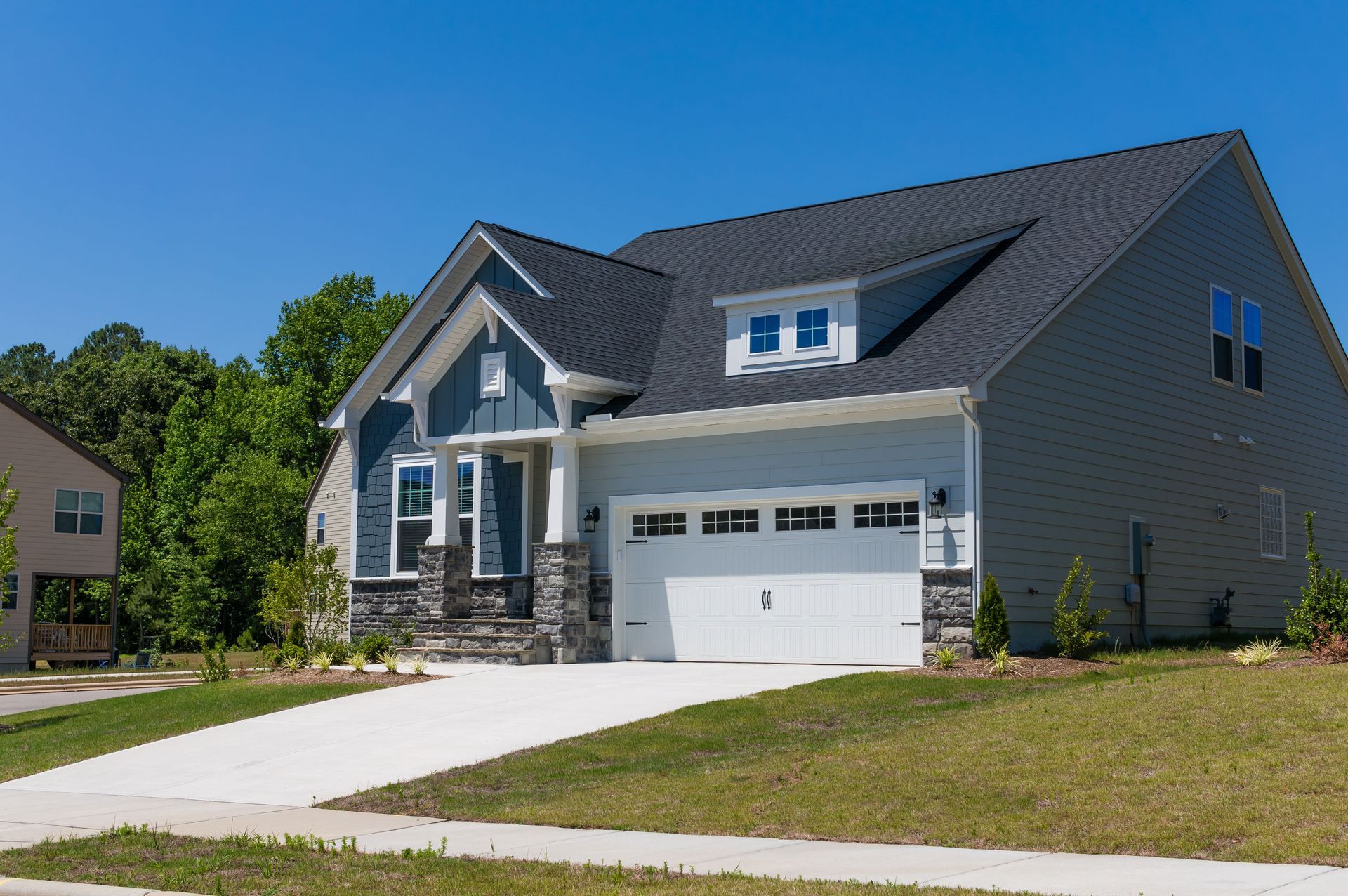
The idea of a custom home often captures the imagination of potential homeowners seeking a unique living space tailor-made to their needs and preferences. With the growing trend of personalized living spaces, many are opting for custom-built homes instead of traditional options available in new developments. However, while the appeal of custom homes is undeniable, the process demands thorough planning and awareness of potential challenges ranging from budgeting to design and construction execution.
One of the key benefits of a custom-built home is the unparalleled freedom it offers. Homeowners have the chance to decide on every facet of their future residence, from architectural elements to energy-efficient features and choice of materials. This extensive control not only ensures that the home meets the personal vision and needs of its inhabitants but also adds unique characteristics that enhance the home's functionality and aesthetic appeal.
On the downside, custom home construction can entail a lengthier and more complicated process compared to buying ready-made homes. Challenges may include securing necessary permits, finding the right design and construction team, and maintaining budget discipline in the face of numerous customization options. Despite these hurdles, those willing to dedicate the time and resources often find the rewards exceedingly satisfying in the form of a dream home that stands out in personality and purpose.
Pre-Construction
Selecting a Builder
Choosing the right builder for your custom home construction is crucial to the successful execution of your designs. Builders with a proven track record in custom home projects are preferable, as they demonstrate expertise in managing the specific demands and nuances these projects require. Engaging with multiple builders for estimates and walking through previous projects they have completed can provide valuable insights into their workmanship. Builders typically coordinate all subcontractors and ensure adherence to timelines and quality standards. According to the National Association of Home Builders, there were over 8 million payroll construction workers in 2024, highlighting the importance of selecting a competent team from a vast pool of professionals.
Contract and Agreements
Negotiating comprehensive contracts with your builder establishes clear expectations and responsibilities for all parties involved. Contracts should stipulate the project's scope, cost estimates, payment schedules, timelines, and any penalties for delays. Clear communication about inclusions, exclusions, and provisions for change orders helps prevent misunderstandings. It's prudent to include warranty details covering workmanship and materials to offer long-term protection. Reviewing the contract with a legal expert ensures that your interests are protected and that all crucial aspects are duly addressed.
Procuring Materials
Securing quality materials within your budget and timeline is integral to keeping the project on track. Builders often leverage established relationships with suppliers to procure materials like lumber, concrete, and fixtures at competitive prices. However, taking an active role in material selection ensures alignment with your design vision and quality standards. Considering alternative or locally-sourced materials may yield cost savings and sustainability benefits. Effective procurement strategies minimize supply chain disruptions and ensure the availability of resources as the project progresses.
Establishing a Timeline
Crafting a realistic custom home construction timeline involves a comprehensive understanding of the project's phases and the dependencies between various tasks. Building in time for potential weather delays or unforeseen challenges is vital for anticipated project completion. Communicating this timeline clearly to all stakeholders ensures that everyone understands the sequencing of activities, from site preparation to finishing touches. Transparent timelines aid in tracking progress and managing expectations, fostering a collaborative project environment. Regular reviews of the timeline help accommodate necessary adjustments while aiming to maintain the project's overall schedule.
Site Preparation
Preparing the building site sets the stage for a smooth construction process. Initial steps include land clearing and grading to ensure a stable and level foundation can be laid. This phase may involve addressing environmental considerations such as drainage, erosion control, and soil stabilization. With the site ready, foundational work follows, creating a robust base upon which the structure can be erected. Ensuring thorough site preparation minimizes future structural issues and facilitates effective construction flow. Ultimately, a well-prepared site underpins the success of the entire custom home construction phase.
Construction Phase
Foundation and Framing
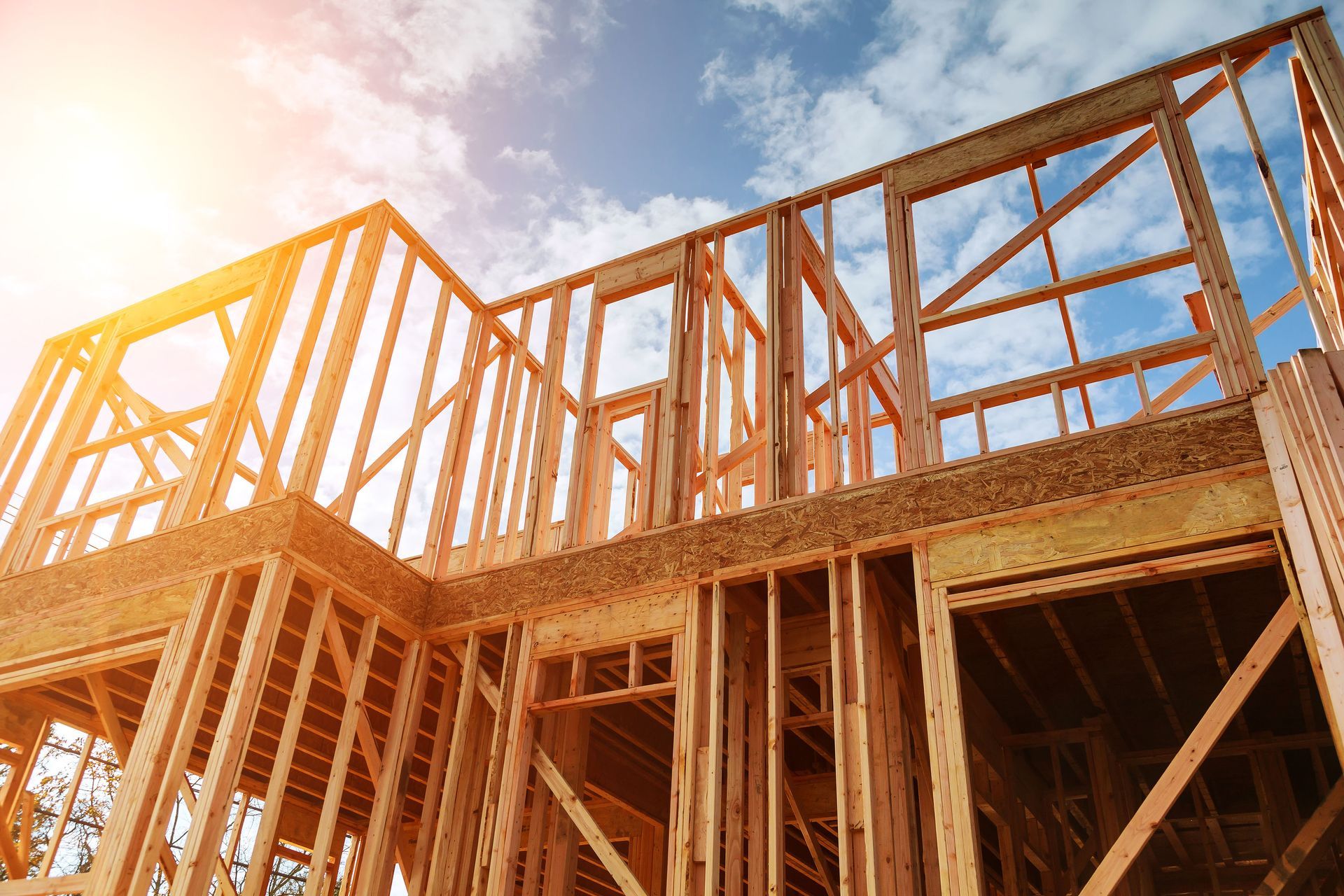
The construction phase commences with laying the foundation, an essential process that provides stability for the structure. As one of the most critical steps, it involves pouring concrete or placing footings that absorb and distribute the weight of the building. Following the foundation, framing commences, creating the skeletal structure of the home. This involves erecting walls, installing beams, and setting roof trusses to define the layout of the space. Attention to detail during these stages ensures that the framework is sound and capable of supporting additional construction layers.
Utilities Installation
Utilities installation is a complex process requiring precise execution and coordination among skilled trades. This phase covers running electrical wiring throughout the home, enabling lighting and power to appliances. Plumbers install water supply lines, sewerage pipes, and fixtures critical for bathroom and kitchen function. HVAC systems are integrated to ensure efficient heating, cooling, and ventilation. Proper utility installation ensures functionality, safety, and compliance with building regulations, forming the infrastructure for modern conveniences and comfort.
Interior and Exterior Finishing
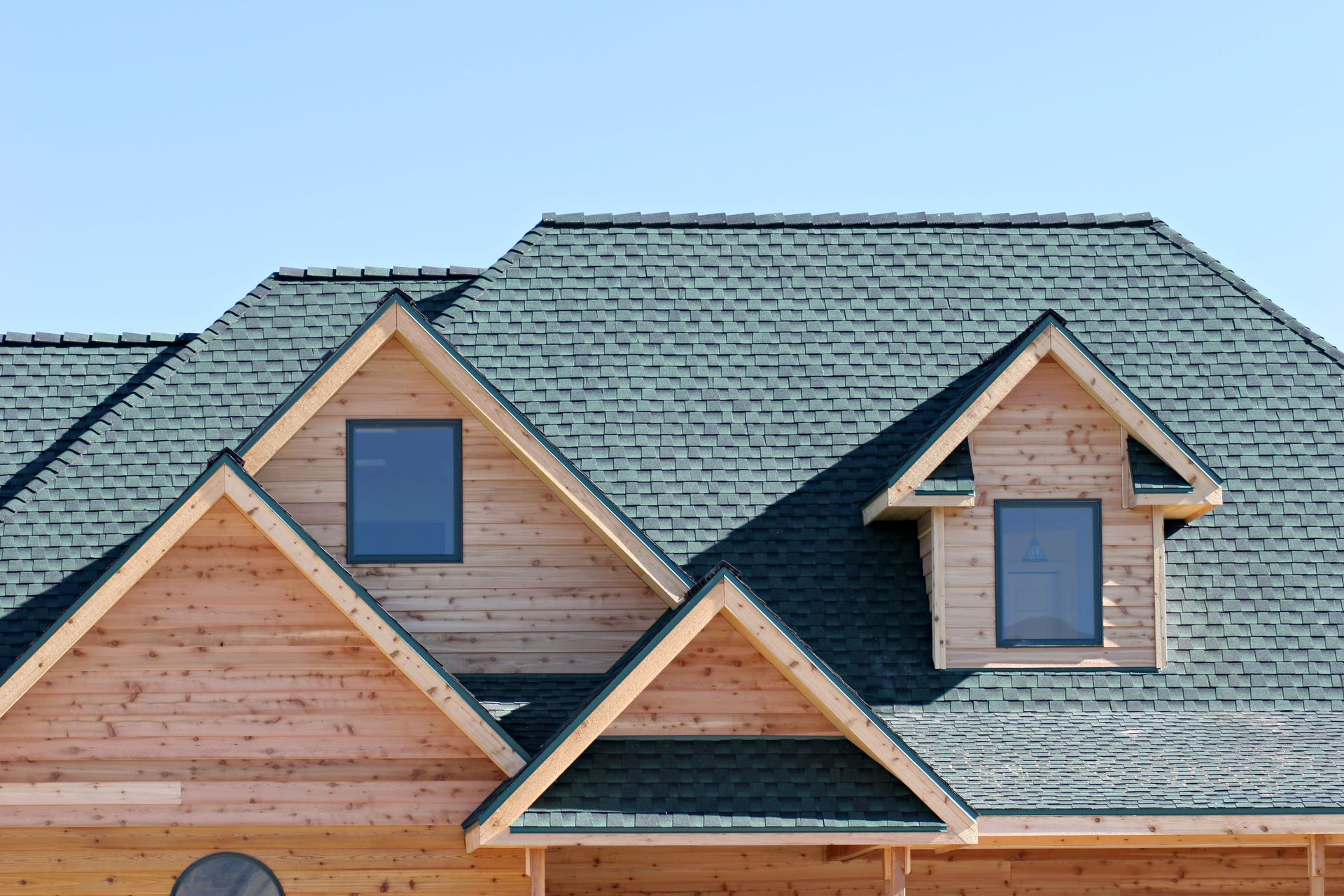
Once utilities are in place, interior and exterior finishing bring the custom home to life. Inside, drywall installation creates walls and partitions, ready for painting and textured finishes. Flooring, cabinetry, and millwork are fitted to enhance the aesthetic appeal and usability of spaces. Externally, siding and roofing materials complete the facade, providing weather protection and curb appeal. Working through these finishing stages requires precision and craftsmanship to achieve the desired look and quality. As finishes come together, the home begins to reflect the vision conceived in the initial design phase.
Custom Features Installation
Incorporating custom features tailors the home uniquely to its occupants' needs. It includes installing elements like personalized storage solutions, smart home technology, or innovative kitchen appliances. Other features might encompass aesthetic details such as a custom fireplace mantel or a bespoke staircase. Attention to detail ensures that these elements seamlessly integrate with the larger design scheme. This personalization not only enhances the living experience but also distinguishes the home with unique character and functionality.
Quality Inspections and Walkthroughs
Conducting quality inspections and walkthroughs is crucial to ensure adherence to all design specifications and construction standards. Inspections verify that work complies with building codes and detect any areas necessitating rework. During walkthroughs, clients have the opportunity to review the progress and confirm their satisfaction with the build quality and finishes. Creating punch lists during these sessions identifies minor issues for rectification before finalizing construction. Through these steps, builders uphold their commitment to delivering a home that meets the highest quality benchmarks.
Investing in custom home construction is undoubtedly a rewarding endeavor that allows homeowners to realize a personal vision of architectural and lifestyle aspirations. Throughout this guide, we've explored the multifaceted processes involved, from planning and design to construction and post-completion activities. While challenges may arise, a well-thought-out plan, coupled with the right team of professionals, paves the way for overcoming these obstacles. Whether your goal is to create a sustainable, energy-efficient dwelling or a luxurious retreat tailored to your unique tastes, embarking on the journey of custom home construction can culminate in a dream home that holds its value and exclusivity. Finally, the enduring sense of fulfillment derived from residing in a space truly of your own making celebrates the spirit of creativity and individuality inherent in custom home ownership. Call Koch Construction & Remodeling today to begin building your dream home.