January 12, 2026
Building your dream home is a thrilling journey that allows you to create a living space tailored specifically to your needs and desires. However, the process can be as intimidating as it is exciting. To help you navigate this adventure, we have compiled a comprehensive list of expert tips to guide you in building the perfect custom home. Custom home building holds around 18% of the total single-family starts, according to Custom Builder, a homebuilding publication, highlighting its significance for those seeking a personalized living experience. As you embark on this venture, preparing thoroughly will ensure a successful outcome and a home that truly reflects your lifestyle.
Planning Your Vision
1. Define Your Needs and Wants
The cornerstone of a successful custom home is understanding your requirements clearly. Start by making a list of must-have features in your new home. Separate your essential needs from your desired wants, prioritizing functionality over aesthetics where necessary. This will help you make informed decisions as you proceed. Envisioning your future life in the house will provide clarity and direction.
2. Establish a Realistic Budget
Setting a practical budget is crucial and should encompass all potential costs. Research the cost of materials, labor, and unforeseen expenses. A well-planned budget allows you to allocate funds strategically to different phases of the building process. Stay disciplined to avoid overextending financially. Engaging with financial advisors can offer additional insights and security.
3. Create a Comprehensive Wishlist
While defining functional needs is critical, a wishlist encompasses all the additional features you may want. Break this list into vital additions and purely luxury items. This will guide your conversations with designers and contractors. Keep your budget in mind to avoid unrealistic expectations. Regularly revisiting your wishlist will help refine your vision.
4. Develop a Timeline
Time management is a critical component of custom home-building projects. Establish a realistic timeline that allocates ample time for each phase. Consider possible delays that could arise due to weather conditions or supply chain hiccups. A well-thought-out timeline assists in managing expectations and reducing stress. Keeping a flexible approach will aid in adapting to unforeseen challenges.
5. Research Design Inspiration
Drawing inspiration from diverse design sources will enhance your vision. Explore architectural styles that resonate with your taste. Collect visuals from magazines, online platforms, or tours of existing homes to build your design portfolio. This portfolio will serve as a communication tool when collaborating with your architect. Understanding current design trends can also guide you in making timeless choices.
Choosing the Right Location
1. Consider Proximity to Essential Services
Selecting the right location is pivotal and affects daily convenience. Evaluate potential sites based on their accessibility to schools, hospitals, groceries, and workplaces. Proximity to these essentials adds value to your property and enhances your quality of life. Being too remote might impact your satisfaction and practicality of the home. Focus on finding a balance between seclusion and community features.
2. Assess the Neighborhood's Future Growth
Understanding the projected growth of a neighborhood is critical in property value appreciation. Investigate local government planning documents to gauge future developments. A neighborhood poised for growth may offer investment advantages and community improvements over time. However, rapid development might alter the area's character. Balancing immediate needs with future potential is key to making informed choices.
3. Evaluate Environmental Factors
Environmental factors include weather patterns, natural light, and noise pollution. Assess the climate of the area to ensure your home's construction will endure local weather conditions. Consider scenery and orientation that takes advantage of natural light, reducing energy consumption. Also, potentially disruptive noises can influence your choice, impacting peace and tranquility. Analyze the surroundings to foresee environmental impacts.
4. Understand Local Zoning Laws
Zoning laws dictate the permissible uses of land in specific areas. Familiarize yourself with these laws to ensure your construction plans comply. Restrictions may apply to building heights, types, and land uses that could impact your designs. Engaging with local regulatory authorities will provide accurate information. Knowing these details early prevents legal issues during construction.
5. Determine the Land's Suitability for Building
Assessing land suitability is the foundation of successful home construction. Geographical surveys will reveal the quality of soil, drainage options, and foundational integrity. Sloped or unstable land may require additional preparation that increases costs. Suitable terrain simplifies design and construction processes. Consulting with a land surveyor offers a data-driven approach to understanding potential land issues.
Designing the House Layout
1. Optimize Your Floor Plan
An optimized floor plan maximizes space efficiency and enhances livability. Consider the flow between rooms and create multi-functional spaces. Open-concept designs are popular for their versatility; however, ensure ample privacy in necessary areas. Striking a balance between open spaces and compartmentalization will enhance the home's comfort and utility. Collaboration with architects helps refine your visions into practical layouts.
2. Prioritize Natural Light
Natural light creates a welcoming environment and improves energy efficiency. Design your custom home orientation and room placement to capture daylight effectively. Large windows, skylights, and open rooms can enhance natural illumination. Beyond aesthetics, it reduces the need for artificial lighting, leading to energy savings. Understanding seasonal sunlight patterns in your location optimizes natural light benefits.
3. Consider Future Needs
Design should accommodate future family dynamics or lifestyle changes. Flexibility in room purposes reduces the need for extensive renovations later. Consider potential needs like mobility accommodations or expanding family size. By anticipating future needs, you ensure your home remains functional and comfortable long-term. Forward planning enriches your investment, making it adaptive to life's evolving demands.
4. Maximize Energy Efficiency
Energy efficiency within your home reduces environmental impact and monthly expenses. Incorporating passive solar design, insulation, and energy-efficient appliances can significantly cut energy use. Consideration of renewable energy sources like solar panels is also beneficial. Energy-efficient home designs not only save costs but elevate property value due to reduced energy demands. Early integration of these components is more cost-effective than retrofitting later.
5. Integrate Indoor-Outdoor Living Spaces
Seamlessly blending indoor and outdoor spaces enhances both comfort and design. Create patios, decks, and landscaped gardens that extend your living area. Indoor-outdoor integration augments entertainment opportunities and personal enjoyment. Consider easy kitchen access to outdoor spaces, fostering versatility for events. Well-designed transitional spaces increase functionality and attract future buyers, should you ever decide to sell.
Selecting Quality Materials
1. Invest in Durable Roofing
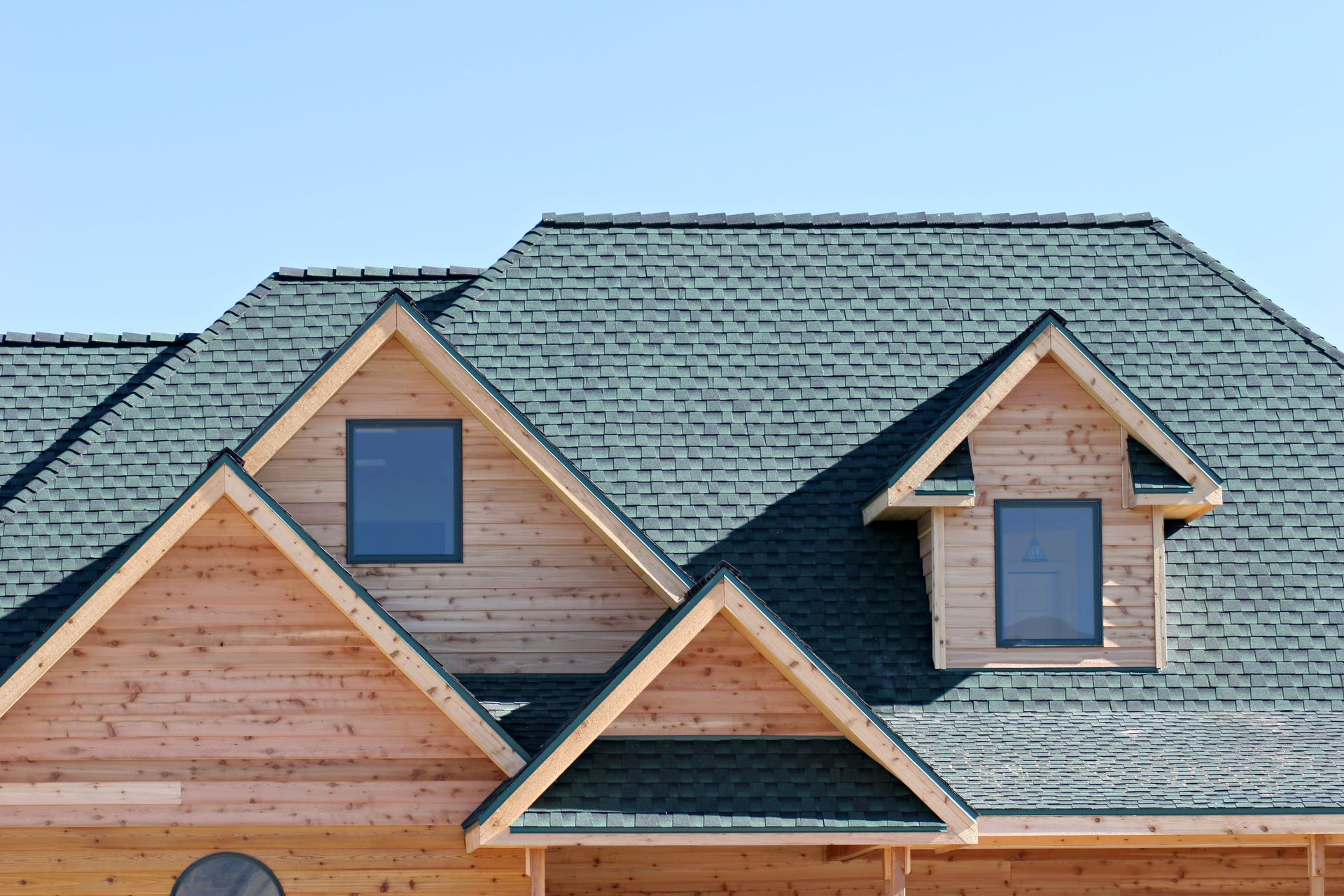
Roofing choices significantly impact durability, aesthetics, and maintenance needs. High-quality materials such as metal, slate, or tile offer longevity and weather resistance. While initial costs might be higher, investing in durable roofing results in long-term savings. Roof durability protects the entire structure, enhancing home value. Consulting with experienced specialists helps make an informed decision that suits your environmental conditions.
2. Choose Sustainable Building Materials
Sustainability is an essential consideration in modern construction. Opt for materials that minimize environmental impact, such as bamboo or reclaimed wood. Using sustainable materials supports eco-conscious living and contributes to a healthier home environment. Moreover, it aligns with rising consumer demand for green homes, enhancing property appeal. Carefully vet each material for both sustainability and performance.
3. Prioritize High-Quality Insulation
Quality insulation is crucial for maintaining internal temperature stability and energy efficiency. It acts as a barrier to external conditions, reducing HVAC reliance. Consider insulation with high R-values for best performance. Proper insulation enhances comfort and reduces energy costs over time, justifying any initial investment. Expert advice is beneficial in selecting the best option for your climate zone.
4. Opt for Energy-Efficient Windows
Windows are pivotal in ensuring home efficiency and comfort. Energy-efficient windows can significantly reduce heating and cooling costs by minimizing thermal transfer. Consider double or triple glazing and low-emissivity coatings to enhance performance. These windows also improve noise insulation and offer UV protection for furnishings. Upfront investment in energy-efficient windows results in substantial long-term savings and comfort enhancements.
5. Select Long-Lasting Flooring
Flooring affects both aesthetic appeal and functional performance of your home. Choosing materials like hardwood, stone, or laminate ensures durability and style. Performance over time, maintenance effort, and resistance to wear should guide your selection. Durable flooring minimizes the need for replacements or repairs, adding value. Match material selection with room-specific needs to optimize both form and function.
Embarking on the journey to build a custom home is a rewarding endeavor that requires careful planning and execution. By adhering to these tips and working with the right team of professionals, you can create a beautiful and functional home that reflects your personal style and meets your unique needs. Remember, the process of crafting a custom home is both a significant and exciting milestone, filled with opportunities to personalize every facet of your living space. Investing time in thorough planning and informed decision-making will ensure your dream home becomes a reality. Call Koch Construction & Remodeling today to get started.